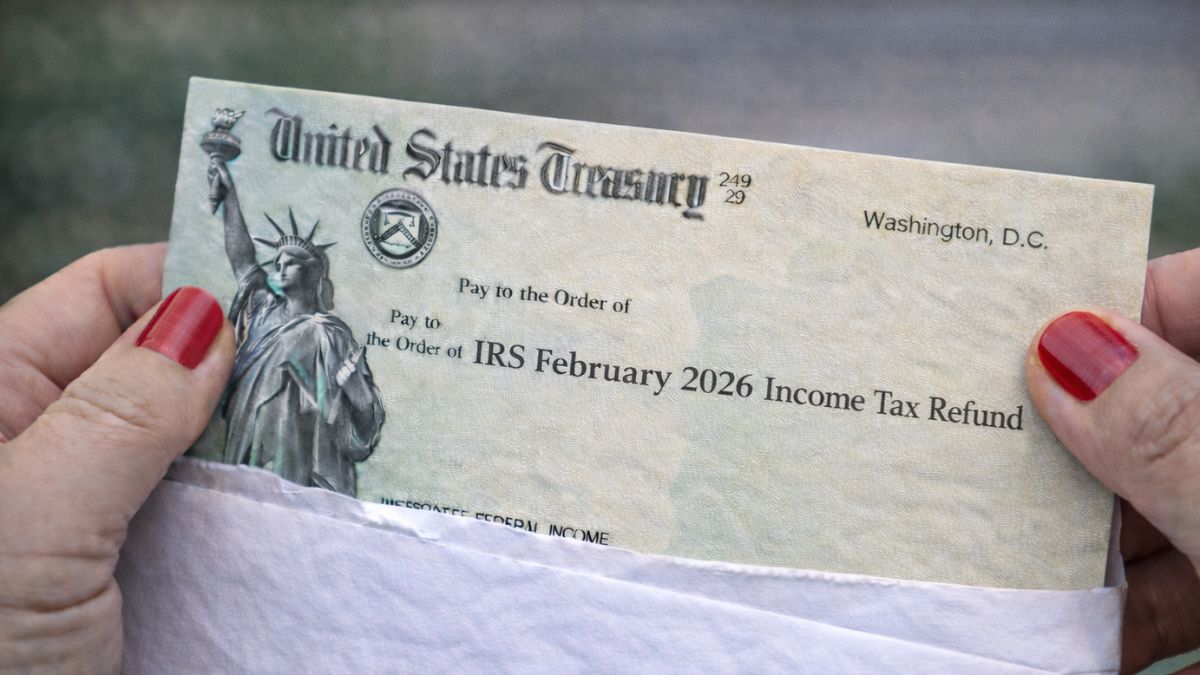
Tax refunds provide important financial relief for millions of Americans every year. Many households use their refunds to pay bills, reduce credit card balances, catch up on rent, or rebuild emergency savings. As the 2026 tax season begins, understanding how the refund schedule works can help you plan ahead and avoid unnecessary stress.
When the 2026 Filing Season Began
The Internal Revenue Service began accepting 2025 tax year returns in late January 2026. Once a return is accepted into the system, processing officially starts. Submitting a return before the system opens simply places it in a queue until the filing season begins. For most taxpayers who file electronically and select direct deposit, refunds are typically issued within about 21 days after the return is accepted. However, this is a general timeframe, not a guarantee. Some refunds arrive sooner, while others take longer depending on individual circumstances.
Why Filing Method Matters
How you file your return plays a major role in how quickly your refund arrives. Electronic filing is usually much faster than mailing a paper return. E-filed returns go directly into IRS processing systems and are reviewed using automated checks. Paper returns, on the other hand, must be physically received, opened, sorted, and manually entered into the system. This adds significant time to the process. In busy filing seasons, paper returns can take several weeks longer than electronic submissions. Choosing direct deposit instead of a mailed paper check also speeds up delivery. Direct deposit sends the refund straight to your bank account, avoiding printing and mailing delays.

Refunds That May Be Delayed by Law
Some refunds are legally required to be held for additional review. Returns that claim the Earned Income Tax Credit or the Additional Child Tax Credit are subject to extra verification steps under federal law. The IRS must hold these refunds until at least mid-February to confirm income details and reduce fraud risks. Because of this rule, taxpayers claiming these credits often receive their refunds later than others, even if they file early and electronically. This delay is part of the standard fraud prevention process and does not mean there is a problem with the return.
Common Reasons for Refund Delays
While most refunds are processed without issues, delays can happen. Common causes include incorrect Social Security numbers, mismatched income information, missing forms, or errors in bank account details. Even small mistakes can trigger additional review. Identity verification reviews can also slow processing. If the IRS needs to confirm that a return was filed by the correct person, the refund will be held until verification is complete. Responding quickly to any official notice can help prevent longer delays.
How to Track Your Refund
Taxpayers can monitor refund status using official IRS online tools. For electronically filed returns, tracking information is usually available within about 24 hours after acceptance. For paper returns, tracking may not appear for approximately four weeks. The system typically shows three stages: return received, refund approved, and refund sent. Updates are made once per day. Checking more frequently will not speed up processing. The IRS advises contacting them only if more than 21 days have passed since e-filing or six weeks since mailing a paper return and no update has appeared.

What to Expect in 2026
For the 2026 season, the IRS has continued improving technology systems to increase accuracy and reduce errors. Early electronic filers who choose direct deposit may see faster refunds compared to paper filers. Even so, it is wise to allow extra time in your financial planning. Treat the 21-day timeframe as an estimate rather than a guaranteed date. Building a small buffer into your budget can reduce stress if processing takes longer. Filing early, double-checking personal information, and choosing direct deposit remain the most reliable ways to receive your refund as quickly as possible.
Disclaimer
This article is provided for general informational purposes only and does not constitute tax, legal, or financial advice. Refund amounts and processing timelines vary based on individual tax returns, verification requirements, and official IRS procedures. Always refer to IRS.gov or consult a qualified tax professional for guidance specific to your situation.