





Skip to content

Medicalcare India

  • Sarkari Yojana

Finance

IRS 2026 Refund Calendar Breakdown

IRS 2026 Refund Calendar Breakdown: The Key Dates That Could Speed Up Your Deposit

By
Prerna Gupta
—
February 14, 2026
IRS Tax Refund Schedule 2026

IRS Tax Refund Schedule 2026: What to Expect and When

By
Prerna Gupta
—
February 14, 2026
Official Update 2026

Official Update 2026: IRS Explains Why Millions Haven’t Been Paid Yet

By
Prerna Gupta
—
February 14, 2026
2026 IRS Refund Calendar Revealed

2026 IRS Refund Calendar Revealed – Complete February Payment Timeline Explained

By
Prerna Gupta
—
February 13, 2026
February 2026 Social Security Payment Schedule

February 2026 Social Security Payment Schedule: Complete Deposit Dates and SSDI Updates

By
Prerna Gupta
—
February 13, 2026
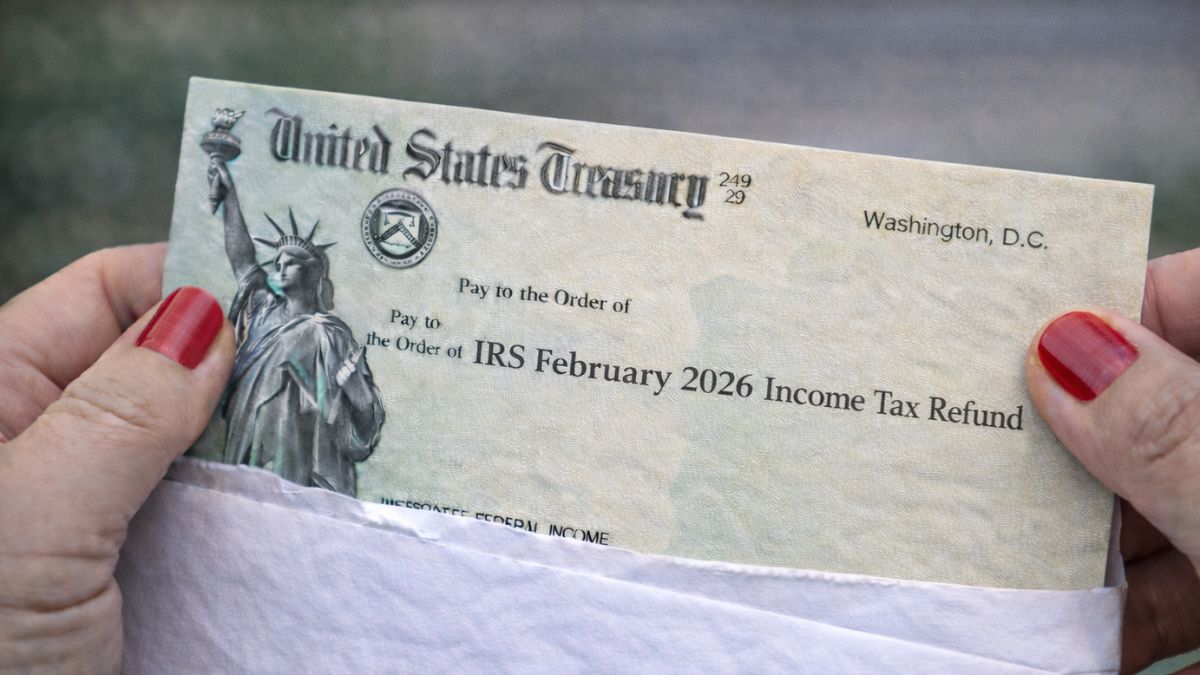
The Internal Revenue Service has reported that average tax refunds in early 2026 are higher compared to the same point last year. For many taxpayers, this could mean a larger refund deposit during tax season. However, whether you personally receive more money depends on your income, tax withholding, deductions, and credits. A higher national average does not guarantee a larger refund for everyone. Each tax return is calculated individually. Why Average Refunds Are Higher in 2026 Several factors may be contributing to increased refund totals this year. One major reason is inflation adjustments. Tax brackets and the standard deduction are adjusted annually to reflect rising costs of living. When tax brackets increase, a portion of income may be taxed at slightly lower rates compared to previous years. If your paycheck withholding remained the same while tax brackets shifted upward, you may have paid more tax during the year than you ultimately owed. That overpayment is returned as a refund. Changes to refundable credits can also affect refund totals. Adjustments to credits tied to income, children, retirement contributions, or health insurance may increase the final amount calculated on your return. In addition, some workers may have had more tax withheld from their paychecks during 2025, either by choice or due to payroll settings. Does a Bigger Refund Mean You Paid Less Tax? Not necessarily. A larger refund does not automatically mean you owed less tax overall. In many cases, it simply means that more money was withheld from your paychecks throughout the year than your final tax bill required. When that happens, the IRS returns the difference. While receiving a larger refund can feel positive, it is essentially your own money being returned after overpayment. Your true tax liability is based on total income, allowable deductions, and eligible credits. The refund amount is just the difference between what you owed and what was already paid through withholding. Who Might See an Extra $1,000 or More? Some taxpayers could see refunds increase by $1,000 or more compared to last year. This is more likely for households that qualify for refundable tax credits, especially those with dependents. Credits such as the Earned Income Tax Credit, child-related credits, retirement savings credits, or health insurance premium credits can significantly boost refunds. Families with multiple qualifying dependents often notice the largest changes. However, not all taxpayers will see increases. Refund size varies widely depending on personal financial details. How Long Will Refunds Take in 2026? For most taxpayers who file electronically and choose direct deposit, refunds are typically issued within about 21 days after the IRS accepts the return. Electronic filing allows information to move quickly through IRS systems, and direct deposit ensures funds reach bank accounts without mailing delays. Paper-filed returns usually take much longer due to manual processing. In some cases, returns may require additional review because of income mismatches, credit claims, or identity verification checks. These situations can extend the timeline beyond the standard three-week window. Taxpayers can track refund status using the official “Where’s My Refund?” tool on the IRS website. Should You Adjust Your Withholding? If your refund is much larger than expected, it may be worth reviewing your W-4 withholding form with your employer. Over-withholding means you gave the government an interest-free loan during the year. Adjusting your withholding could increase your take-home pay each month instead of waiting for a large refund at tax time. On the other hand, withholding too little can result in a tax bill or penalties. The goal is balance. Reviewing your withholding annually can help align your paycheck deductions with your actual tax obligation. Watch Out for Refund Scams Whenever refund totals rise, scam attempts increase. Fraudsters often use refund headlines to trick people into sharing personal or banking information. The IRS does not contact taxpayers through unsolicited emails, text messages, or social media asking for sensitive data. Always verify refund information directly through official IRS channels. Final Thoughts Higher average refund totals in 2026 may provide welcome relief for many households. However, a larger refund usually reflects changes in withholding, inflation adjustments, or credit eligibility—not extra free income. Understanding what affects your refund can help you make informed financial decisions throughout the year. Disclaimer IRS Bigger Refund Confirmed

IRS Announces Higher 2026 Refund Totals: What It Means for Your Return

By
Prerna Gupta
—
February 13, 2026
$2,000 Direct Deposit February 2026 Big News

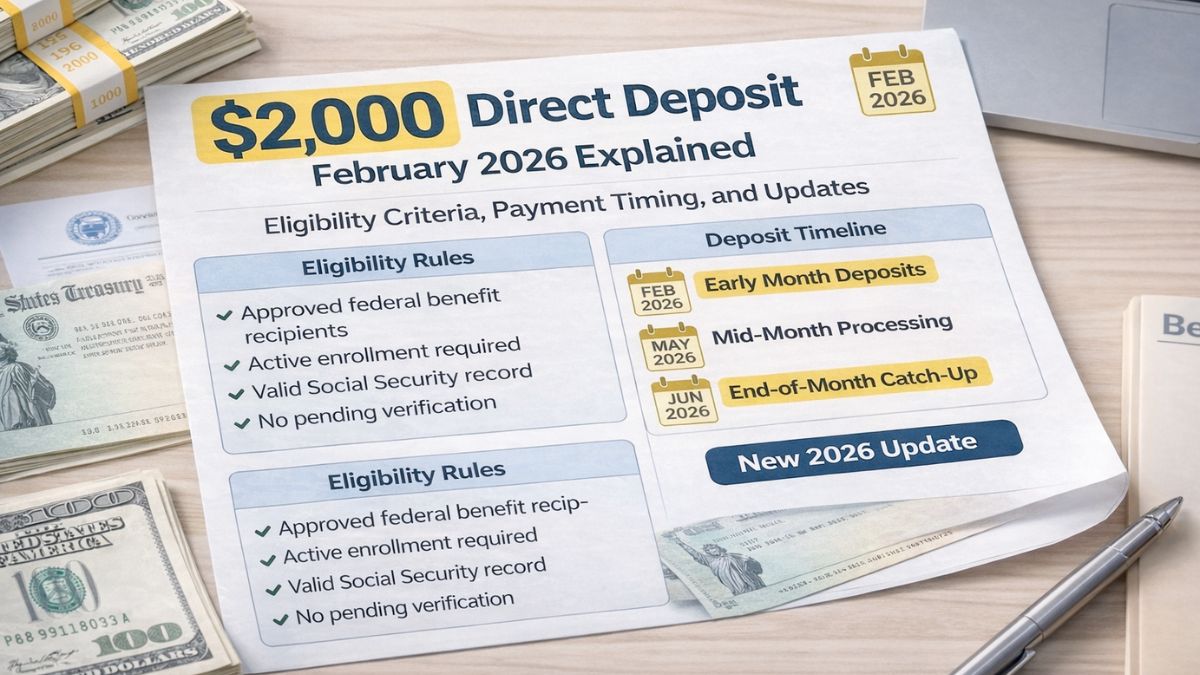
$2,000 Direct Deposit February 2026 Explained: Eligibility Criteria, Payment Timing, and Updates

By
Prerna Gupta
—
February 13, 2026
IRS Appproved $2000 Direct Deposit

Get $2,000 From IRS in February 2026 – Direct Deposit, Eligibility, Payment Dates, and Steps to Receive

By
Prerna Gupta
—
February 13, 2026
2026 COLA Boost Explained

2026 COLA Boost Explained: What Retirees Can Expect

By
Prerna Gupta
—
February 13, 2026
IRS 2026 Tax Refund Calendar

IRS 2026 Tax Refund Calendar: What Taxpayers Should Know

By
Prerna Gupta
—
February 13, 2026
12 Next

LATEST Post

About us

medicalcareindia.in is an independent, privately managed informational platform dedicated to providing updated news and resources related to government exams, job notifications, and public schemes.

medicalcareindia.in is not connected, affiliated, or associated in any capacity with institute or any government department, statutory body, or official authority. All content published herein is gathered from publicly available sources and is meant solely for informational purposes.

Disclaimer
The content on medicalcareindia.in is prepared based on credible sources such as official publications, press releases, and government websites. We adhere to strict editorial standards to ensure accuracy and reliability. However, the information provided is for general informational purposes only and does not constitute professional advice. We do not guarantee the completeness, accuracy, or suitability of the content for any specific purpose. Users are advised to independently verify any information before relying on it. For expert guidance, please consult a qualified professional.

  • About us
  • Contact Us
  • Privacy Policy
  • Disclaimer
  • Terms and Conditions
  • Fact-Checking Policy
  • Editorial Policy

© Medicalcare India • All rights reserved

  • Sarkari Yojana