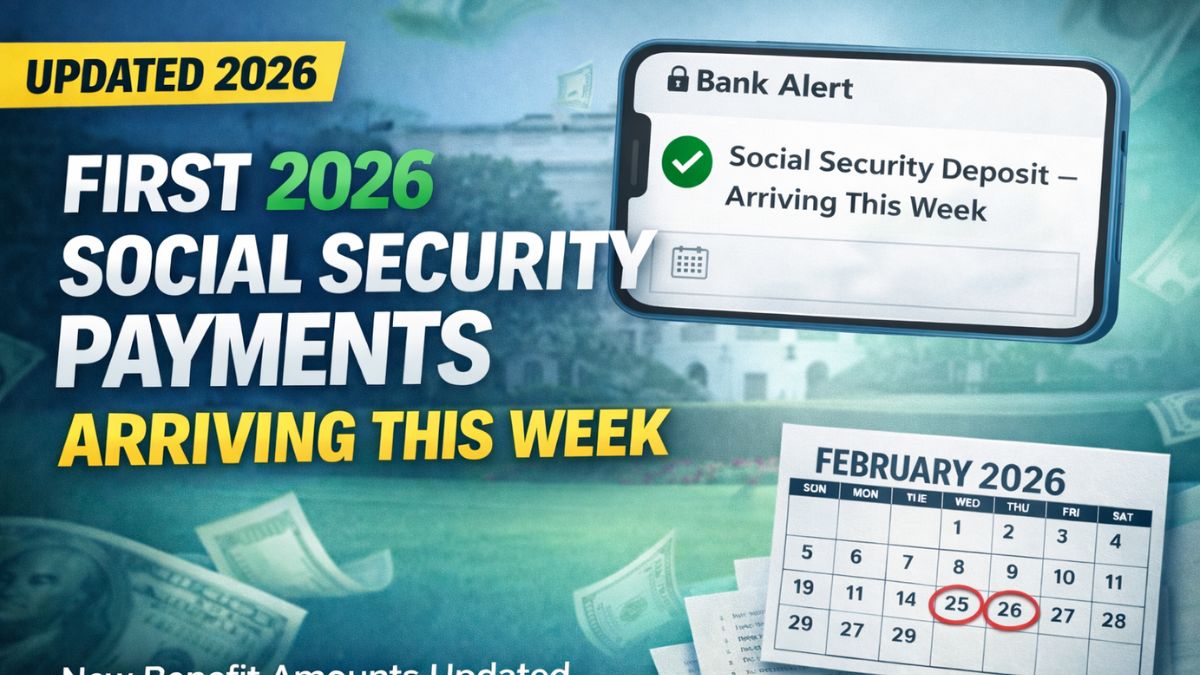
The first Social Security payments of 2026 will begin arriving next week. For millions of retirees and disabled beneficiaries, these monthly deposits are the main source of income. At the start of a new year, updated benefit amounts take effect. These changes are usually connected to the annual cost of living adjustment and possible updates to Medicare premiums. Even a small increase or deduction can affect household budgets, so it is important to review the new payment carefully.
Understanding how the payment schedule works and why the final deposit amount may look different from last year helps reduce confusion and prevents unnecessary concern.
How the Social Security Payment Schedule Is Organized
Social Security does not send all payments on the same date. Instead, the system follows a structured monthly schedule. The timing mainly depends on when a person first began receiving benefits and their birth date. People who started receiving benefits before May 1997 are generally paid near the beginning of the month. Their payments usually arrive within the first few days, and their birth date does not affect the timing. Most other beneficiaries follow a birth-date-based system. Individuals born between the 1st and the 10th of any month are usually paid on the second Wednesday. Those born between the 11th and the 20th are paid on the third Wednesday. Beneficiaries born between the 21st and the 31st are typically paid on the fourth Wednesday. Because of this system, even family members living in the same home may receive payments on different dates.

How the 2026 Cost of Living Adjustment Affects Benefits
Each year, Social Security benefits are reviewed to reflect changes in inflation. This yearly increase is called the cost of living adjustment, or COLA. The 2026 COLA has already been added to benefit amounts starting with the first payment of the year. The adjustment is applied as a percentage increase. This means people with higher monthly benefits will see a larger dollar increase, while those with smaller benefits will see a smaller dollar increase. The purpose of COLA is to help benefits keep up with rising prices for goods and services.
Why the Net Deposit May Look Different
Some beneficiaries notice that their bank deposit does not increase as much as they expected. The main reason is Medicare premium deductions. Many people have their Medicare Part B premium taken directly from their Social Security payment before the deposit is sent.
If Medicare premiums rise in 2026, the higher deduction may reduce part of the COLA increase. As a result, the total benefit amount may rise, but the final amount deposited into the bank account may increase only slightly.

What to Check When the First Payment Arrives
When the first 2026 payment appears, recipients should review several details. First, confirm that the payment arrived on the expected date. Small posting delays may happen depending on bank processing times, but extended delays should be investigated. Next, compare the deposit amount with the updated benefit notice. Make sure the gross benefit reflects the annual adjustment and that deductions match what is listed. If the amount seems very different, reviewing your online account or contacting official support can help clarify the reason.
Planning With the Updated Amount
The first payment of 2026 sets the pattern for the rest of the year. Once recipients know their actual net monthly amount after deductions, they can plan expenses more accurately. Even a modest increase can help cover rising utility costs, food prices, or medical expenses. Basing financial planning on the confirmed deposit amount rather than just the announced percentage increase helps prevent budget gaps.
Staying Alert to Scams
When benefit amounts change, scam attempts often increase. Fraudsters may claim there is a problem with a payment or request personal information to “verify” an account. Government agencies do not ask for passwords or full personal codes through random calls or messages. It is safest to contact official sources directly if there are questions.
यह भी पढ़े:
 February 18, 2026 IRS Payment Alert! $2,000 Direct Deposit and Eligibility Rules Explained
Disclaimer
This article is for informational purposes only and does not provide legal, financial, or benefits advice. Payment dates, benefit amounts, and deductions depend on individual records and official government policies. Beneficiaries should verify details through official Social Security communications or consult a qualified professional for guidance specific to their situation.