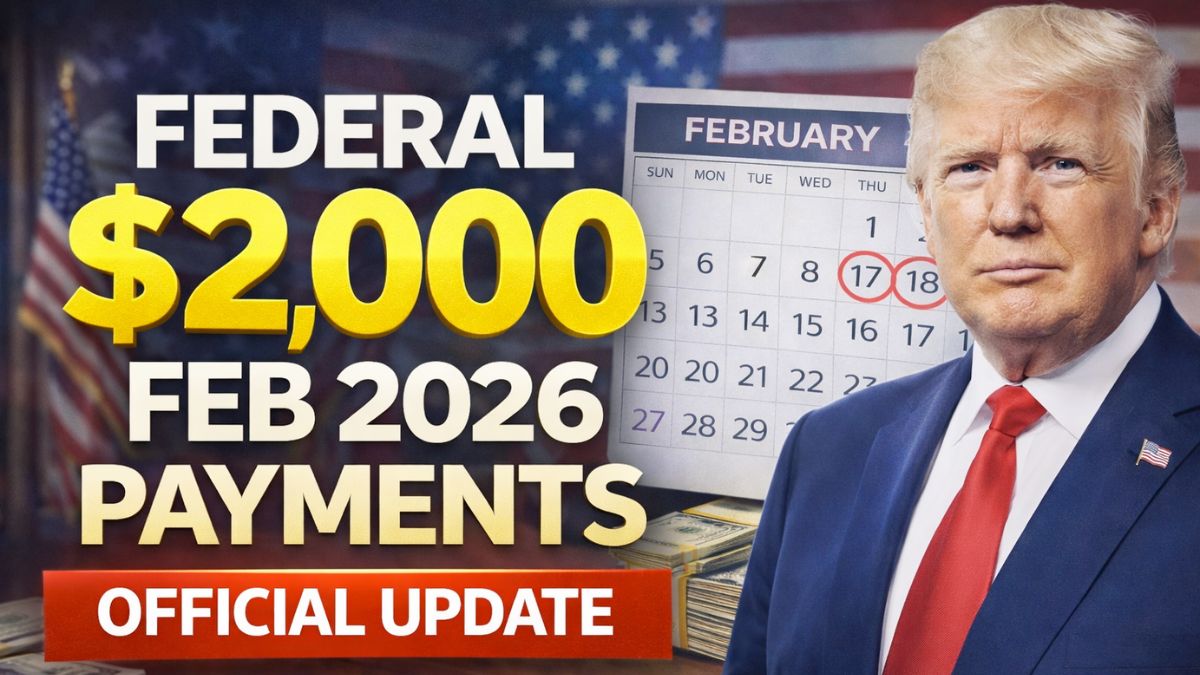
Federal $2,000 payments are expected to begin arriving in February 2026 for individuals who meet specific qualification rules under approved government programs. Many people are searching for clear answers about who may qualify, when payments might arrive, and how to avoid delays. These payments are described as one-time financial support tied to existing income records or benefit enrollment data. They are not automatic for everyone, and approval depends on verified information already on file with federal agencies.
The goal of these payments is to provide short-term financial relief to households that meet defined income or benefit criteria. Because the money moves through official systems, it is released in phases rather than all at once.
How the Payment Timeline Is Expected to Work
Before payments are issued, agencies typically complete eligibility reviews in January. During this stage, income information, identification details, and benefit status are matched against official records. Once verification is finished, payment files are prepared and transferred to banking systems.

Direct deposits are expected to begin in early February 2026. Electronic transfers usually reach bank accounts faster because they move through automated banking networks. After a payment is officially released, most banks post the funds within a few business days. Some recipients may see deposits sooner depending on their bank’s processing policies.
Paper checks are generally mailed later in the distribution cycle. These checks are sent to individuals who do not have direct deposit information on file. Mail delivery times vary by location, so paper payments often take longer to arrive. Replacement payments and corrections are usually handled after the main payment window, often starting in March.
Who May Qualify for the $2,000 Payment
Eligibility depends on the specific rules written into the approved program. In many cases, qualification is based on income limits shown on recent tax returns. Some programs also rely on benefit enrollment records. Individuals receiving retirement, disability, or survivor benefits may qualify if their income falls within established thresholds. Certain veterans or pension recipients may also be included when their records meet the program’s standards.

Low- and moderate-income households are often included when income caps are part of the eligibility formula. In some programs, dependents may influence payment calculations, but this depends on how household size is defined.
Most eligibility checks are automatic. However, if records cannot be matched or appear incomplete, agencies may send a notice requesting identity verification or additional documentation. Responding quickly to such notices helps prevent delays.
How Payments Will Be Delivered
The majority of qualified recipients are expected to receive funds through direct deposit. This method is faster and reduces the risk of delivery problems. The deposit is sent to the bank account already connected to tax or benefit records. If banking information is outdated or incorrect, the payment may be rejected and later reissued as a check.
यह भी पढ़े:
 February 18, 2026 IRS Payment Alert! $2,000 Direct Deposit and Eligibility Rules Explained
Recipients without direct deposit information on file are typically mailed paper checks. Some programs may use prepaid debit cards that are delivered by mail. Because of these different methods, payment dates may vary between individuals even if they qualify under the same program.
What to Do If Your Payment Is Delayed
If a payment does not appear during the expected window, the first step is to confirm that your bank and contact details are correct with the appropriate agency. Many delays occur because of closed accounts or address changes. After verifying your details, contacting the agency through official channels is recommended.
Agencies may require identity confirmation or a missing payment report before issuing a replacement. Keeping copies of your tax return, benefit statements, and bank records can make this process smoother.

Tax and Recordkeeping Considerations
Some one-time federal payments are not treated as taxable income, but rules vary by program. Keeping the official payment notice and bank confirmation is important in case questions arise during tax filing or benefit reviews. If unsure about tax treatment, consulting a qualified professional is advisable.
Final Overview
The February 2026 $2,000 federal payments are expected to follow a structured release schedule, beginning with electronic deposits and followed by mailed payments. Eligibility is based on verified income or benefit records. Keeping personal information current, monitoring official updates, and responding promptly to verification requests are the most effective ways to receive funds without unnecessary delays.
Disclaimer
This article is for general informational purposes only and does not provide legal, financial, or tax advice. Payment eligibility, timelines, and program rules depend on official government decisions and may change. Readers should confirm details through official government agency websites or consult a qualified professional before making financial decisions.