Federal $2,000 Payments in February 2026 – As February 2026 approaches, many Americans are hearing about possible $2,000 federal payments. News of financial support always attracts attention, especially during times when living costs remain high. Rent, groceries, medical bills, and utility expenses continue to put pressure on household budgets. Because of this, people want clear answers about who qualifies, when payments may arrive, and how the money will be sent. Understanding the process in simple terms can help reduce confusion and prevent unnecessary worry.
Who May Be Eligible for the $2,000 Payment
Eligibility for any federal payment depends on official rules set by the government agency responsible for distributing the funds. In most cases, income level plays a major role. Federal programs often focus on low- to moderate-income individuals and families who are most affected by economic pressures. Adjusted gross income reported on the most recent tax return is commonly used to determine qualification.
Tax filing status can also affect eligibility. Single filers, married couples filing jointly, and heads of household may face different income limits. In addition, individuals already receiving certain federal benefits could fall into qualifying categories. This may include Social Security recipients, disability beneficiaries, veterans receiving approved benefits, or taxpayers who qualify for refundable credits.

Since agencies usually rely on records already on file, keeping your most recent tax return and benefit statements organized is important. If your income or family situation has changed significantly, updated information may be required to confirm eligibility.
How the Government Plans to Send the Money
Federal payments are generally distributed using methods that are already in place. The most common delivery method is direct deposit. If the agency has your correct bank account details on file from a previous tax return or benefit enrollment, the money can be sent electronically. Direct deposit is usually the fastest and most secure option.
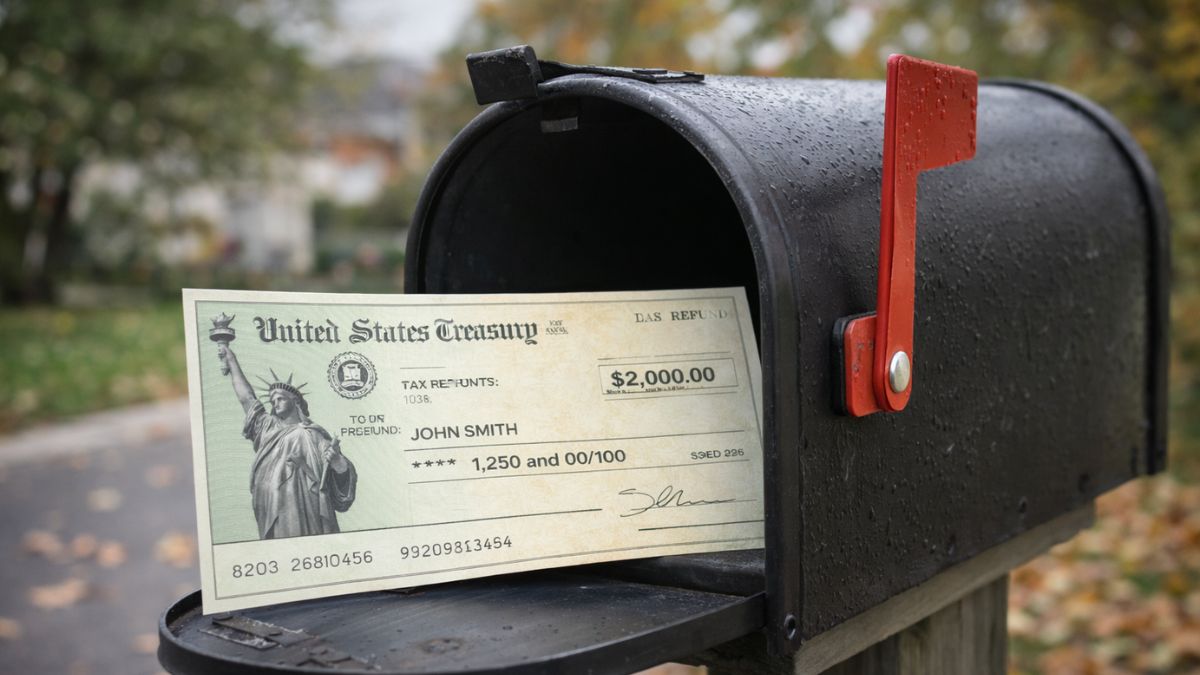
If no valid bank information is available, the agency may mail a paper check to the address on record. In some cases, prepaid debit cards are used. Paper checks and debit cards typically take longer to arrive because they rely on printing and mail delivery. Address errors or outdated bank details can delay the process. For this reason, updating your contact and banking information with the appropriate agency is very important.

When Payments Could Arrive in February
Payments are often issued in batches rather than all at once. This means some recipients may receive their deposit early in the month, while others may receive it later. Direct deposits are usually processed first. Mailed payments may take additional days or weeks, depending on postal delivery times.
If you expect a payment but do not see it within about two weeks of the anticipated date, it may be time to check your status. Before contacting an agency, make sure your information is accurate and review any official notices you have received. Processing delays can sometimes occur because of high volume or additional verification requirements.
What to Do If a Payment Is Missing
If a direct deposit fails due to incorrect bank details, the payment may be returned to the issuing agency and reissued in another form. If a mailed check is lost or stolen, you can request a payment trace. This process usually requires identity verification and can take several weeks to complete. Keeping records of phone calls, emails, and confirmation numbers will make follow-up easier.
यह भी पढ़े:
 February 18, 2026 IRS Payment Alert! $2,000 Direct Deposit and Eligibility Rules Explained
It is important to use only official government contact information when asking about payment status. Avoid responding to unsolicited emails or messages claiming to help you receive funds faster.
Possible Tax Considerations
Depending on the type of federal payment, there may be tax implications. Some supplemental payments are not taxable, while others may need to be reported on a future tax return. Keeping copies of any payment notices or confirmation letters will help when preparing your taxes. If you are unsure whether a payment must be reported as income, reviewing official tax guidance or consulting a qualified professional is a smart step.
Staying Informed and Avoiding Scams
Whenever news spreads about government payments, scams often increase. Fraudsters may send fake messages asking for personal information, bank details, or processing fees. Federal agencies do not charge fees to release payments and do not request sensitive details through random emails or text messages. The safest way to confirm information is by visiting official government websites directly.

Conclusion
The reported $2,000 federal payments in February 2026 have raised many questions about eligibility, delivery methods, and timing. Qualification typically depends on income, filing status, and benefit records already on file. Direct deposit remains the fastest way to receive funds, while mailed payments may take longer. Keeping personal information up to date and relying on official sources will help avoid confusion and delays. Staying organized and informed ensures that eligible recipients can receive support smoothly and securely.
Disclaimer
This article is for informational purposes only and does not provide financial, legal, or tax advice. Eligibility requirements, payment schedules, and distribution methods are determined by official government policies and may change. Readers should verify all details through official federal agency websites or consult a qualified professional for guidance specific to their situation.